Choose your kind of fight
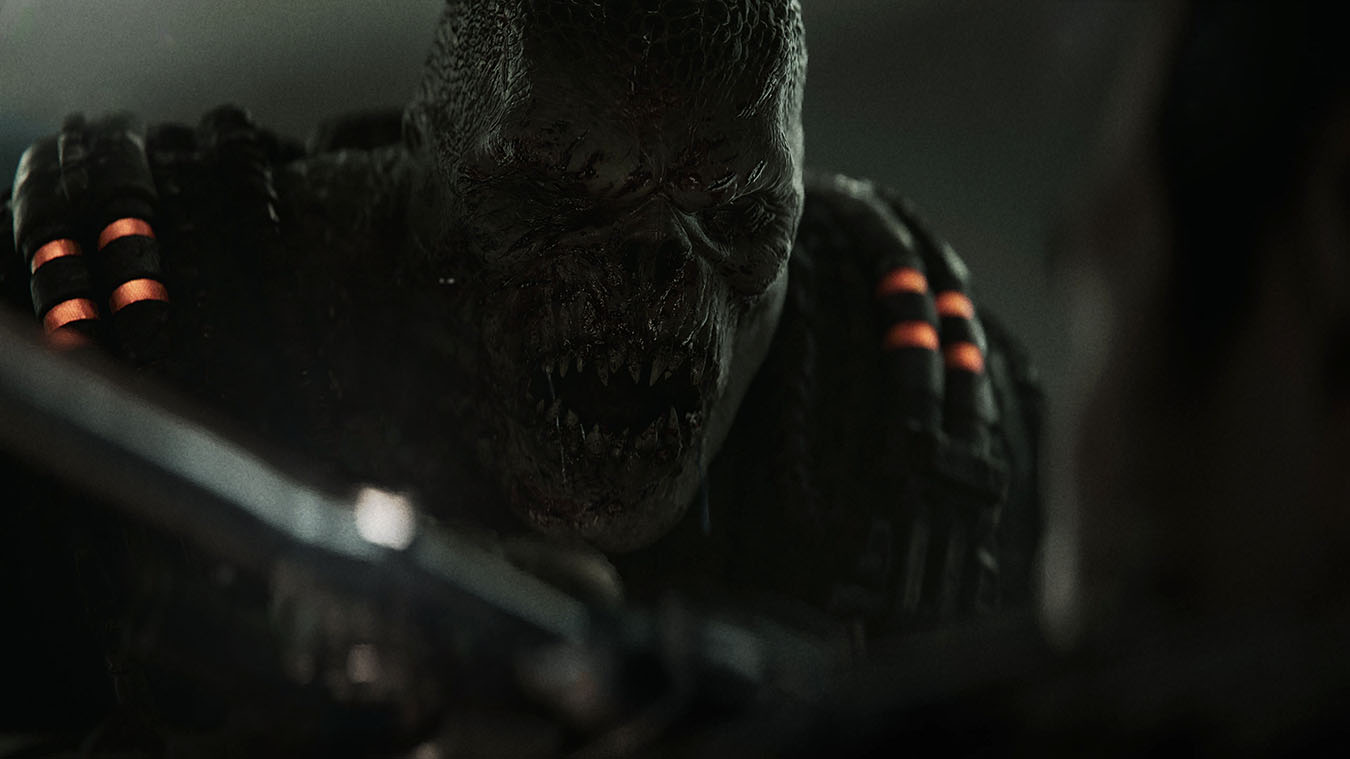
Horde Siege: three squads share a larger PvE battlefield. Complete mission objectives, face the Locust and extract.
Versus: 4v4 PvP with equal starting equipment — Weapon Mods are excluded, so teams create their advantage by controlling power weapons and positions. Four modes shipped at launch:
- Team Deathmatch — drain the enemy team’s lives; the place to learn the basic gunfight.
- Conquest — hold active zones long enough to score; a zone stays active until a team banks enough occupation time, so breaking setups matters more than sprinting at markers.
- Demolition — fight over a neutral bomb, plant it at an enemy site and defend; no respawns once the bomb is armed.
- Crucible (new) — carry the heavy Power Core into a scoring zone that moves and shrinks; the carrier is an objective to escort, not a solo hero.
Mode details beyond the official deep dive are summarized from a third-party launch guide (see source notes).
Four starting roles
| Class | Focus | Tactical gear |
|---|---|---|
| Assault | Midrange flexibility | Sonic Disruptor |
| Breacher | Close-range pressure | Adrenaline Injector |
| Marksman | Precision damage | Pulse Drone |
| Medic | Healing and revives | Stim Vaporizer |
The six launch maps
| Map | Character |
|---|---|
| Outpost | Elevation and long sightlines. |
| Battleship | Symmetrical, lane-focused layout. |
| Park | Mixed open ground and cover lines. |
| Precinct | Tight interiors and breached walls. |
| Market | Long streets, balconies and dense interiors. |
| Skyward | Rooftops, jumps and risky high ground. |
A practical learning order: main lanes first, power-weapon spawns second, flank routes third. The map list and character notes are summarized from a third-party launch guide based on the official deep dive — not our own testing.
Extraction matters
At least one squad member must extract to complete the mission and retain collected Weapon Parts. Equipment choices should support your squad’s objective, not just individual eliminations.
World bosses and progression
The store description confirms Horde Siege scales up to shared objectives and world bosses that multiple squads take down together. Surviving matches earns rewards that unlock customization and improve your loadout for the next drop, so early matches feed long-term progression rather than resetting each session.
Ranked and Social playlists
Versus is split by intensity, not content. Social is the recommended starting point: 4v4 Quickplay, Player vs Bot options, limited-time modes, and post-match map voting that keeps lobbies together. Ranked has separate mode-specific ladders with placement matches. Two related but distinct systems track you there: a Skill Division (matchmaking’s assessment of you against the playlist population) and a Rank that climbs with Rank Rating as you win. Ranked also uses tighter matchmaking and stricter quitting penalties — if you are still learning where weapons spawn, Social is doing you a favor.
Why there is no tier list here
These are roles, not rankings. A defensible tier list needs current balance information and repeatable playtesting. Pick a role to explore, then compare what your squad needs after a few missions.
Source notes
Based on the following material, checked October 12, 2026. Features and availability may change.
CONTINUE YOUR BRIEFING
Back to the field manual